
Board meeting held at Foras na Gaeilge’s new offices in Belfast
2 July 2026
The Board of Foras na Gaeilge met for the first time in the organisation’s new offices in the centre of Belfast last Friday. For the first time Foras na Gaeilge board members had an opportunity to meet in the city centre since the organisation moved to a new office space in Callender Street.
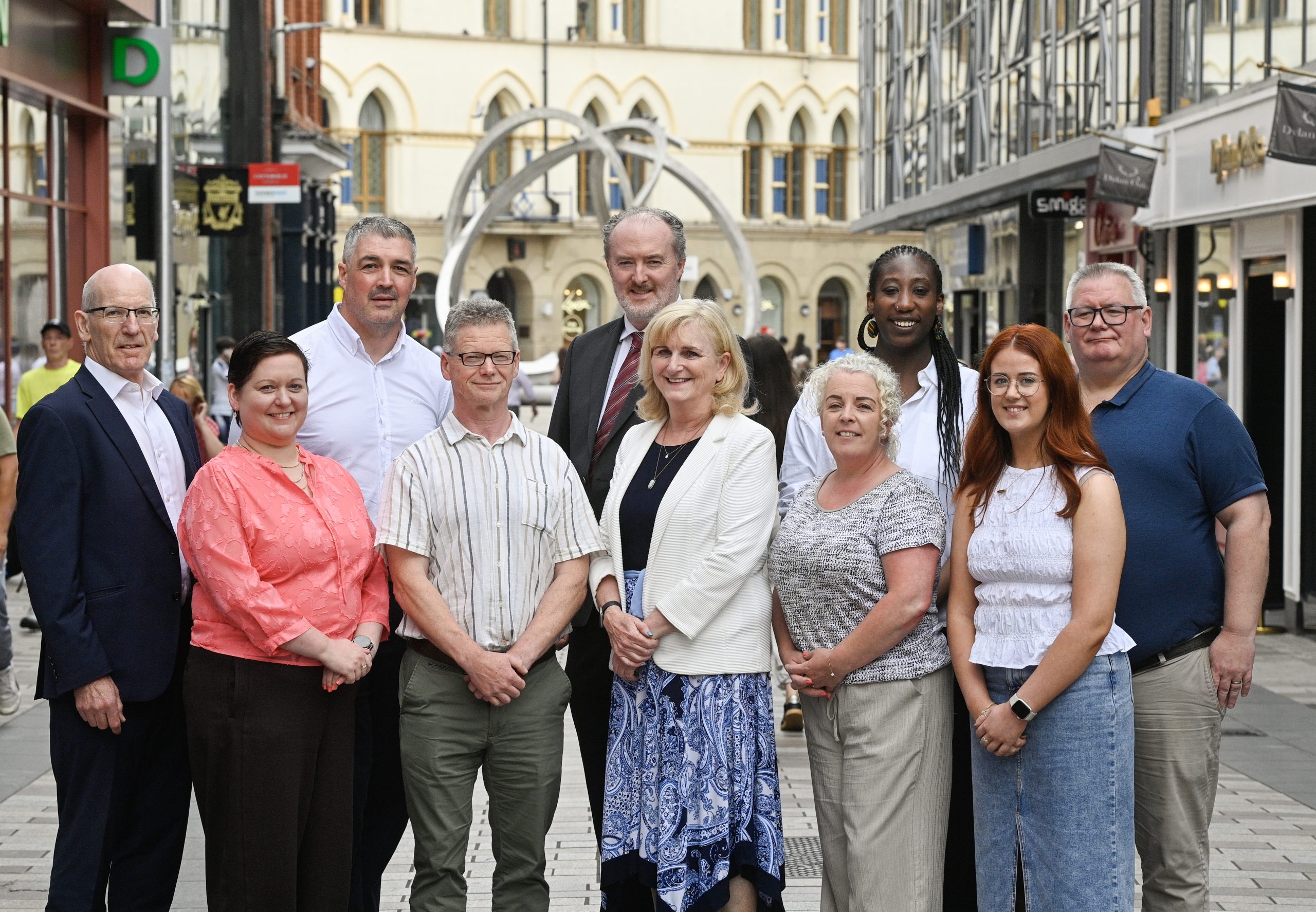
The meeting agenda focused on education issues as another school year draws to an end. It was a year that saw Irish-medium education flourish and prosper throughout the country, with increased focus on public demand for educational opportunities through Irish and for increased provision in areas where there is a demand for it, but a lack of provision
As part of Foras na Gaeilge’s work during the 2025-2026 school year, a major 10-year research report entitled Attitudes to the Irish language 2025: Ability, Use and Attitudes on the Island of Ireland was published. This research, carried out by Ipsos B&A and Trinity College Dublin, demonstrated that there is an increase in the support for Irish throughout the country. 78% of the population in the south and 55% in the north support the language, and more significantly, this research showed that there is no opposition to the Irish language in the 18 to 24 age group in the north.
Regarding education, the research findings revealed that demand and support for Irish-medium education are widespread among the public, and that most people north and south believe that the governments should provide Irish-medium education in those areas where there is demand. 84% in the south and 67% in the north responded that they would like to see more support for Irish-medium education, wherever there is demand for it.
The education dimension of the research was discussed at the Board meeting in the context of a primary school survey published by the Department of Education and Youth in the south last week, which supports the findings of Foras na Gaeilge’s research. According to the Foras na Gaeilge survey, in the south 87% of people would like Irish to be taught at primary school, and 45% of people would like the opportunity to choose Irish-medium education for their children at primary school level.
Referring to these findings, Foras na Gaeilge Deputy Chief Executive/Director of Education Services, Conall Ó Máirtín, said:
“All the research that has now been carried out, both the Foras na Gaeilge research and the Department’s own research, demonstrate that people want more opportunities to be provided for Irish-medium education throughout the country. This is a really extremely pivotal time for the language and attidutes towards the language are very positive, especially among young people – people who will be choosing school provision for their children in the future. It is really important now to carry out appropriate planning so that this generation can take advantage of these opportunities, and that the choice of Irish-medium education will be available to them. At present there are gaps between public attitudes, demand for Irish-medium education and the provision being planned. Foras na Gaeilge believes that provision should be in line with the wishes of the public and that Irish-medium education be developed as a priority.”
Referring to the latest education research, Foras na Gaeilge Chairperson, Professor Regina Uí Chollatáin asked both governments to provide more support for Irish-medium education. Professor Uí Chollatáin referred in particular to the most recent research published by Conradh na Gaeilge and Professor Pádraig Ó Duibhir, Ó Dhíolúine go hIonchúimsiú (From Exemption to Inclusion). She said that she was concerned that more than 73,000 pupils had an exemption from studying Irish and that this rate is growing.
Professor Uí Chollatáin said:
“The findings of this research carried out by Professor Pádraig Ó Duibhir are very serious. The Board of Foras na Gaeilge are committed to tackling the challenges associated with the issue of exemptions, and there is an urgent and vital need for a strategy to do this before the numbers get absolutely out of control.”
Outside of the classroom significant funding has been provided by Foras na Gaeilge to more than 90 summer camps this year, including sailing camps, soccer camps and camps focusing on environmental issues. The growth in summer camps shows that people want to promote the Irish language outside of the usual classroom infrastructure, and that opportunities for using Irish in an informal setting are important for the growth and progress of the language.
Foras na Gaeilge now look forward to a busy summer, full of activities and festivals, and Belfast will be to the forefront this summer when thousands will be visiting the city as part of Fleadh Cheoil na hÉireann.
Ends
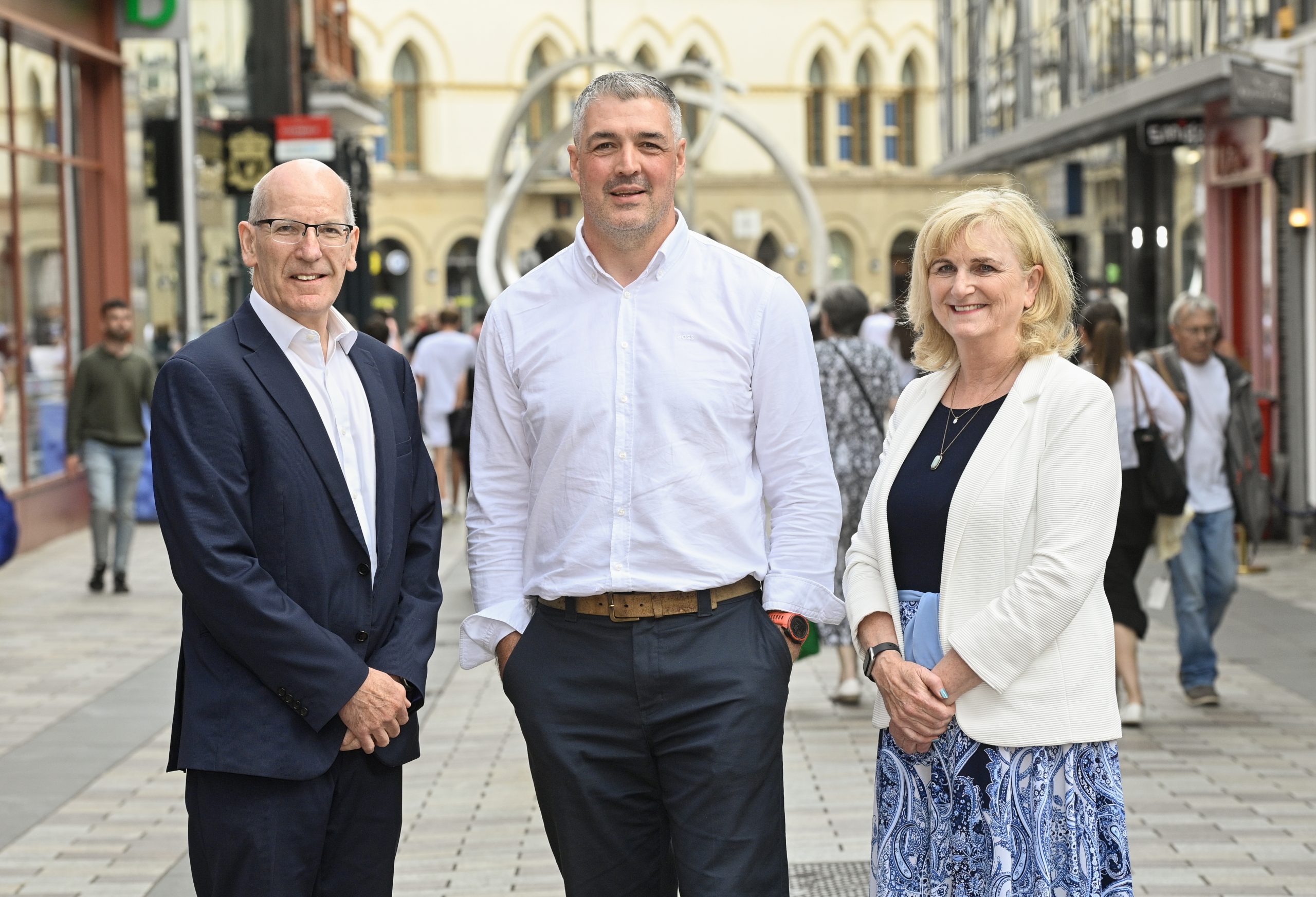
Images
Images have been attached. Further images can be provided on request.
Further information
Anna Davitt, Programme Manager: Communications, Marketing & Awareness, Foras na Gaeilge
Tel: 00 353 87 293 7686
Email: adavitt@forasnagaeilge.ie